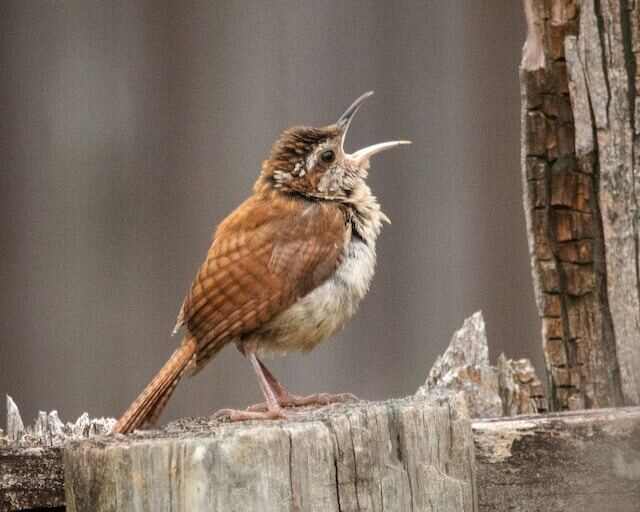
Last summer, I watched a House Wren systematically demolish an aphid infestation on my rose bushes. It was snatching bugs faster than I could count and making my expensive insecticide look like amateur hour. I started wondering what insects do birds eat and why these tiny garden warriors are so good at keeping pests in check.
It turns out birds consume an astonishing variety of insects every day. Knowing what they prefer can change how you feed them and even how you manage your garden, turning your backyard into a natural pest-control powerhouse 🙂
The Insect-Eating Powerhouses
Not all birds approach insect dining the same way, and understanding these different feeding strategies helps explain which bugs get targeted most heavily. Each bird group has evolved specific techniques for capturing and consuming insects, creating a comprehensive pest control network that covers every imaginable bug habitat.
Show Transcript
So, you’re out in your garden, you spot some pests, and your first thought is reach for that chemical spray, right?
Well, hold on. What if I told you there’s a better way? A different kind of pest control that’s, well, it’s flying around your backyard as we speak. And get this, it works for free.
Okay, let’s get into it. You know, this isn’t just a theory. Take this quote from a birder, Vince S. He said, “I watched a house wren systematically demolish an aphid infestation on my rose bushes. It made my expensive insecticide look like amateur hour.”
I mean, picture that. He’s standing there probably dreading the whole process of spraying his roses and this tiny little bird just comes in and takes care of the entire problem just like that. Faster, better, and way more efficient than anything he could buy in a store.
It’s the perfect way to kick this off. And that really gets to the heart of what we’re talking about today. It begs the question: what if the best pest control doesn’t come in a bottle?
What if we’ve been looking at this whole thing completely backward? The most effective, most sustainable solution might have been right under our noses — or, you know, flying over our heads this whole time. And all we have to do is just invite it in.
Okay, so to really wrap our heads around this, we’ve got to do a complete 180 in how we think. You see a bug munching on your prize-winning tomatoes and what’s your first thought? Problem, right? Emergency.
But from nature’s point of view, it’s a completely different story. And this slide just nails that difference in perspective. For you, it’s pests, damage, a huge problem. But for a bird? Oh, it’s a five-star, all-you-can-eat buffet. It’s food. It’s fuel. It’s a chance to feed the family.
Seriously, once you start seeing your garden through a bird’s eyes, the entire game changes.
But here’s the thing — it’s not just a random free-for-all where any bird eats any bug. Oh no. Think of it like a highly specialized company. Nature has assembled this incredible workforce, and each employee — each bird — has a very specific job description.
They’re equipped for totally different tasks, and together they cover every single part of your garden, from way up in the sky right down into the dirt.
So, first up, let’s meet the Air Force. These are your aerial insectivores — swallows, martins, flycatchers. These guys are the fighter jets of the bird world. They’re doing these insane acrobatic maneuvers, just plucking insects right out of midair.
And get this — a single colony of purple martins can eat thousands of mosquitoes in one night. I mean, come on, your bug zapper can’t even come close to that kind of efficiency.
All right, next on the payroll, we’ve got the tree surgeons. These are your woodpeckers, nuthatches, and brown creepers. Their specialty? Finding those sneaky pests that hide where other birds can’t get them.
They’re literally digging into the bark, going after things like wood-boring beetles and carpenter ants. A pileated woodpecker — one bird — can take out an entire carpenter ant colony. That is some serious pest control.
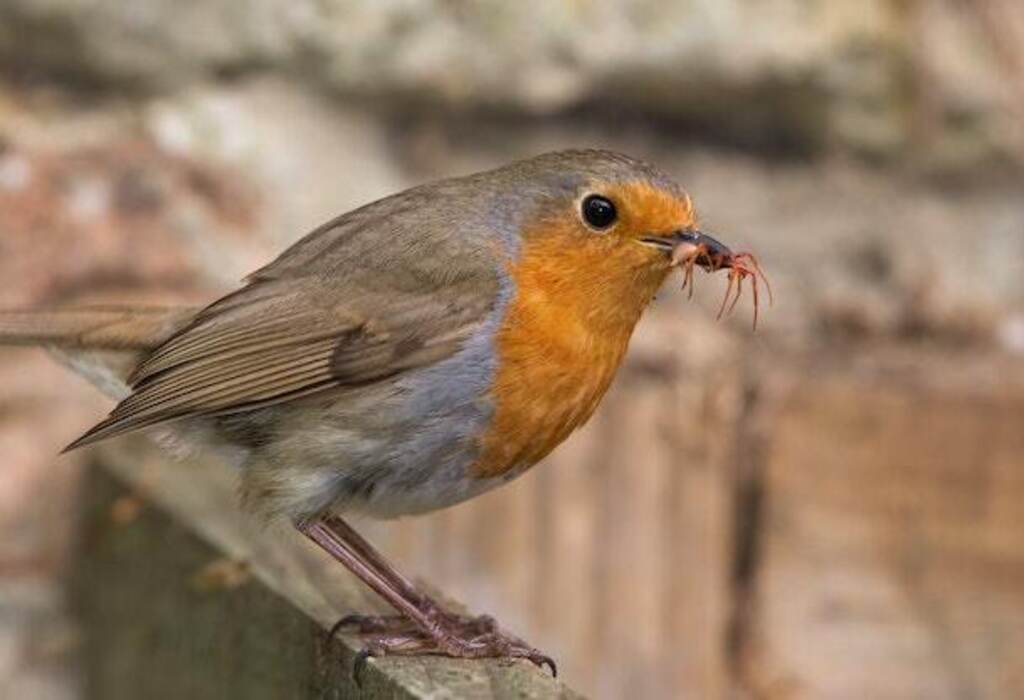
And of course, we can’t forget the ground patrol. This is your boots-on-the-ground squad — robins, thrushes, sparrows. They’re constantly turning over leaf litter, digging through the soil, hunting for grubs, cutworms, all that stuff that messes with your plant roots.
And some of them, like the tui, have this awesome signature move — a special two-footed scratch that uncovers bugs other birds would just walk right over.
Okay, so we’ve met the team: the Air Force, the tree surgeons, the ground patrol. An amazing crew. But what exactly are they eating?
Let’s zoom in a bit and look at the actual menu. What are the specific pests they’re going after in your garden right now?
This is where it gets really cool. Check this out — it’s like a perfect matchmaking service. Got a caterpillar problem? Boom — cuckoos and orioles are on the case. Aphids running wild on your roses? Don’t worry — chickadees and wrens have got you covered.
Beetles? Robins and grackles love them. It’s incredible. For pretty much every pest you can think of, there’s a bird out there that thinks it’s the best meal ever.
But if there’s one item on that menu that’s the absolute number-one, chart-topping hit single, it’s the caterpillar.
Caterpillars are basically the universal bird food. They’re soft, easy to catch, easy for baby birds to swallow, and most importantly, jam-packed with calories, protein, and fat. They’re the perfect power snack for a growing bird.
And that little detail about growing birds brings us to the real heart of the matter — the most important reason for all of this.
See, this obsessive, nonstop insect hunting isn’t just about the adult birds grabbing a quick lunch. It’s about something way, way bigger. It’s about the next generation.
Just look at this number — 96%. Let that sink in. Ninety-six percent of all land birds in North America feed their babies exclusively insects.
Even birds you think of as seed eaters, like a cardinal at your feeder — when they have babies, they switch to an all-bug diet. It’s non-negotiable. Without insects, those baby birds just don’t make it.
And the reason is really specific. It’s all about insect protein. It’s not just food — it’s a very specific kind of fuel. Insects have this perfect mix of amino acids that baby birds need to grow at an explosive rate.
Going from a tiny hatchling to a bird ready to fly in just a few weeks takes serious fuel. And seeds and berries just don’t have what it takes.
And the scale of this operation is mind-blowing. Let’s go back to that little house wren from the beginning. A single pair — just two tiny birds — can make over 600 feeding trips to their nest in one day, each trip carrying a bug.
Now imagine that multiplied by all the other birds nesting in your yard. We’re talking about hundreds of thousands of insects being removed from the area. It’s a massive operation.
And it’s not just a numbers game — it’s incredibly sophisticated. The parent birds are like master chefs curating the perfect meal for their kids. They don’t just shove any old bug in there.
When the chicks are tiny, they get tiny food like aphids. As they get bigger, they move up to medium-sized caterpillars. Then finally, as fledglings, they learn how to tackle the full-size stuff. It’s a perfectly calibrated step-by-step meal plan.
All right, so by now you’re probably thinking, “Okay, I’m sold. Where do I sign up? How do I hire this amazing pest control team?”
Well, the best part is it’s way easier than you think. You don’t need to fill out any paperwork — you just need to build them a nice place to work.
And the number one, most important thing you can do: plant native plants. It’s that simple.
Why? Because the insects in your area evolved over thousands of years to eat those specific plants. This chart says it all — native plants can support 300% to 500% more insects than non-native ornamentals.
And what did we just learn? More insects means more bird food. More bird food means more birds. And more birds means, yep, more free pest control.
So, here’s your simple three-step action plan to become a habitat hero:
Step one: Plant native. Just one native oak tree can support over 500 species of caterpillars. That’s a buffet right there.
Step two: Add water. It doesn’t have to be fancy — even a shallow dish on the ground makes a world of difference.
Step three: Go chemical-free. Put the sprays away and let the natural predator-prey balance do its thing.
And that’s really the big takeaway here. The goal isn’t to have a completely insect-free garden — that’s actually the opposite of what you want.
An insect-free garden is a dead, sterile garden. The real goal is a balanced garden — a living ecosystem where the insects are there to be food for the birds, and the birds are there to keep the insect populations in check.
It’s a beautiful system.
So, I want to leave you with one final thought: the next time you’re in your garden and you see a bug on a leaf, what are you going to see?
A pest that needs to be destroyed — or bird food? A vital link in the chain, and maybe, just maybe, the next meal that helps a baby bird learn to fly.
Aerial Insectivores: The Sky Hunters
Swallows, martins, and flycatchers rule the airspace, intercepting flying insects with acrobatic precision that puts fighter pilots to shame. These birds consume massive quantities of flying insects daily, with some species eating their entire body weight in bugs every single day.
Purple Martins particularly deserve recognition as mosquito destroyers. A colony of these birds can consume thousands of mosquitoes, flies, and flying ants in a single evening feeding session. I’ve watched them work over my pond area at dusk, and it’s like watching nature’s air force in action.
Chimney Swifts specialize in high-altitude insects, catching everything from flying termites to small beetles. Their curved wings and incredible maneuverability allow them to pursue insects through complex flight patterns that leave slower predators in the dust.
Bark Gleaners: The Tree Surgeons
Woodpeckers, nuthatches, and creepers excavate insects from tree bark and wood with the dedication of tiny surgeons. These birds target wood-boring beetles, carpenter ants, and various larvae that hide beneath bark surfaces.
Pileated Woodpeckers can consume entire carpenter ant colonies, excavating rectangular holes that reveal extensive ant galleries. Their powerful bills and long tongues extract insects from locations that other birds can’t reach, making them crucial for controlling tree-damaging pests.
Brown Creepers work tree trunks like living metal detectors, finding insects that camouflage perfectly against bark textures. Their curved bills probe crevices and extract tiny beetles, spider eggs, and insect larvae that escape other birds’ notice.
Ground Foragers: The Soil Squad
Robins, thrushes, and sparrows patrol ground surfaces and dig through leaf litter for soil-dwelling insects. These birds consume enormous quantities of grubs, caterpillars, and ground beetles that damage plant roots and garden crops.
American Robins earn their reputation as earthworm specialists, but they also consume beetle grubs, cutworms, and various caterpillars that hide in soil during daylight hours. I’ve watched robins systematically work through my garden beds, removing pests I didn’t even know existed.
Towhees scratch through leaf litter with both feet simultaneously, uncovering hidden insects that other ground-foraging birds miss. Their vigorous scratching technique reveals beetles, moth pupae, and overwintering insects that remain dormant beneath surface debris.
The Most Consumed Insects: Bird Menu Favorites
Certain insects appear on bird menus so frequently that they’ve become dietary staples across multiple species. Understanding these insect preferences reveals why encouraging birds provides such effective natural pest control for gardens and agricultural areas.
Caterpillars: The Universal Bird Food
Caterpillars top every insectivorous bird’s preferred food list, and for excellent reasons. These soft-bodied larvae pack tremendous nutritional value while being relatively easy to catch and digest. A single caterpillar provides more calories than dozens of smaller insects.
Tent caterpillars create obvious targets that attract multiple bird species during outbreak years. I’ve seen everything from chickadees to cuckoos attacking tent caterpillar colonies, with some birds consuming hundreds of caterpillars in single feeding sessions.
Gypsy moth caterpillars support massive bird feeding frenzies during population booms. Species that rarely eat insects, like orioles and tanagers, join the caterpillar feast when these pest outbreaks occur.
Different bird species target caterpillars at various developmental stages:
• Small songbirds prefer early instar caterpillars that fit easily in their bills
• Larger birds consume mature caterpillars that smaller species can’t handle
• Ground-feeding birds target caterpillars that drop from trees during pupation
Aphids: The Tiny Protein Packets
Aphids provide convenient, high-protein meals that birds can harvest in large quantities with minimal effort. These soft-bodied insects cluster densely on plant surfaces, allowing efficient bulk feeding that maximizes caloric intake per hunting trip.
Chickadees excel at aphid control, systematically working through infested plant stems and consuming hundreds of aphids per hour. Their small size allows access to aphid colonies in locations that larger birds can’t reach effectively.
House Wrens target aphids as primary food sources for feeding nestlings. Parent wrens make continuous trips between aphid colonies and nest sites, transferring thousands of these insects to growing chicks throughout the breeding season.
Bushtits work in coordinated flocks that can strip aphid populations from entire trees within hours. I’ve watched these tiny birds move through my fruit trees like living vacuum cleaners, leaving behind plants completely free of aphid infestations.
Flying Ants and Termites: The Seasonal Bonanzas
Flying ants and termites create feeding opportunities that attract birds from considerable distances. These protein-rich reproductive insects emerge in massive swarms that provide concentrated nutrition during brief availability windows.
Swallows anticipate ant and termite flights, gathering in large numbers before swarms emerge. Their ability to predict these events suggests sophisticated environmental awareness that coordinates with insect reproductive cycles.
Chimney Swifts gorge themselves during flying ant emergences, consuming their entire body weight in insects during peak swarming periods. These feeding bonanzas provide crucial nutrition during breeding season when adult birds need maximum energy for reproduction.
Beetles: The Crunchy Favorites
Beetles represent the most diverse insect group that birds consume, ranging from tiny bark beetles to massive ground beetles. Different bird species specialize in various beetle types based on their hunting techniques and bill structures.
Ladybugs might seem like beneficial insects we should protect, but birds don’t discriminate during peak feeding periods. Many species consume ladybugs along with other beetles, though some birds avoid them due to their bitter taste compounds.
Japanese beetles create summer feeding opportunities for multiple bird species. Grackles, starlings, and various native birds consume these destructive pests in large numbers, providing natural control for garden and agricultural damage.
Ground beetles attract robin attention as these large, protein-rich insects move across open soil surfaces. The distinctive crunching sound of birds eating ground beetles becomes familiar background noise during peak beetle activity periods.
Seasonal Insect Consumption Patterns
Bird insect consumption varies dramatically throughout the year, driven by both insect availability and bird energy requirements. Understanding these seasonal patterns reveals optimal times for encouraging insect-eating birds around your property.
Spring: The Breeding Season Feast
Spring insect emergence coincides perfectly with bird breeding season, when adult birds need maximum nutrition for egg production and chick rearing. This timing creates intensive feeding periods where birds consume insects at their highest annual rates.
Migrating warblers arrive precisely when caterpillar populations peak, creating spectacular feeding opportunities. I’ve counted over twenty warbler species working through single oak trees during peak spring migration, each bird consuming hundreds of caterpillars daily.
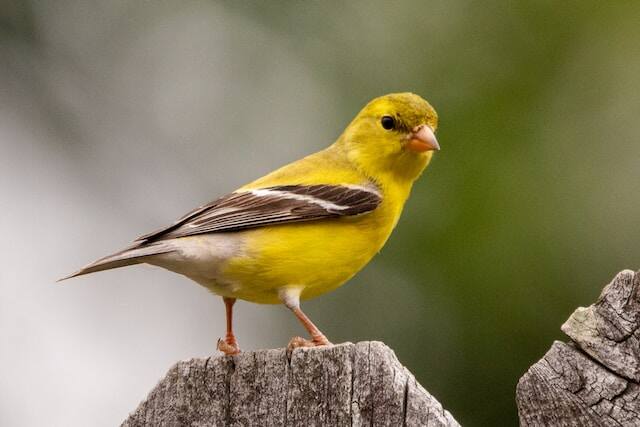
Nest-building birds require additional protein for egg development, making spring the season when even seed-eating birds switch to insect-heavy diets. Cardinals, finches, and other granivorous species increase insect consumption dramatically during breeding preparation.
Summer: Peak Insect Diversity
Summer months provide maximum insect diversity and abundance, allowing birds to specialize in their preferred prey types. This season offers optimal conditions for observing specific bird-insect feeding relationships.
Flying insect populations peak during summer heat, creating ideal conditions for aerial insectivores. Swallows, martins, and flycatchers consume enormous quantities of flies, mosquitoes, and flying beetles during summer feeding sessions.
Ground insect activity increases with warm soil temperatures, providing abundant feeding opportunities for terrestrial hunters. Thrushes, towhees, and sparrows work continuously through summer landscapes, consuming grubs, beetles, and various soil-dwelling larvae.
Fall: Migration Fuel Loading
Fall feeding focuses on accumulating fat reserves for migration or winter survival. Birds often shift toward insects with higher fat content, including moth caterpillars and beetle larvae that provide maximum caloric density.
Late-season caterpillars become crucial migration fuel for many species. These mature larvae contain accumulated nutrients that provide concentrated energy for long-distance flights or winter survival preparation.
Baby Bird Nutrition: Insects as Infant Food
Most bird species, including those that eat seeds as adults, feed insects exclusively to their nestlings. This dietary shift reflects the critical importance of insect protein for proper chick development and growth rates.
Protein Requirements for Growing Chicks
Baby birds require enormous amounts of protein to support rapid growth rates that transform tiny hatchlings into full-sized adults within weeks. Insect protein provides essential amino acids that plant-based foods simply can’t match for developmental needs.
Parent birds make hundreds of feeding trips daily, delivering continuous streams of insects to growing nestlings. I’ve watched House Wren parents make over 600 feeding trips per day to a single nest, each trip delivering multiple insects to hungry chicks.
Nestling development depends entirely on insect availability during breeding season. Years with low insect abundance produce smaller clutches, reduced chick survival rates, and delayed breeding attempts as birds struggle to meet nutritional demands.
Insect Size and Chick Age Matching
Early nestlings receive tiny insects like aphids, small caterpillars, and fly larvae that match their limited swallowing capacity. Parent birds carefully select appropriately sized prey that prevents choking while maximizing nutritional delivery.
Growing chicks graduate to larger insects as their bills and throats develop. Mid-stage nestlings receive medium caterpillars, small beetles, and various larvae that provide increased nutrition per feeding trip.
Fledgling birds learn to handle adult-sized prey through practice and parental guidance. The transition from dependent feeding to independent hunting requires mastering techniques for capturing and processing full-sized insects.
Garden Pest Control: Birds as Biological Agents
Understanding which insects birds eat transforms backyard bird feeding from casual hobby to strategic pest management system. Encouraging the right bird species can dramatically reduce garden pest problems while eliminating the need for chemical pesticides.
Aphid Control Specialists
Chickadees, titmice, and nuthatches excel at controlling aphid populations on garden plants. These small birds access aphid colonies in locations where larger predators can’t reach, providing targeted pest control that protects delicate plant growing tips.
Wrens consume aphids at rates that can control serious infestations within days. I’ve watched House Wrens completely eliminate aphid problems on my vegetable plants while I was still debating whether to use insecticidal soap.
Bushtits work in cooperative flocks that systematically strip aphids from entire plant communities. Their coordinated feeding behavior creates pest control efficiency that individual birds couldn’t achieve alone.
Caterpillar Population Management
Cuckoos specialize in consuming hairy caterpillars that other birds avoid due to irritating spines. Yellow-billed and Black-billed Cuckoos can consume hundreds of tent caterpillars, gypsy moth larvae, and other pest species during single feeding sessions.
Orioles target caterpillars during peak breeding season, feeding enormous quantities to growing nestlings. Baltimore Orioles particularly favor fall webworm caterpillars and other species that damage shade trees and ornamental plants.
Vireos work methodically through foliage, gleaning caterpillars that hide beneath leaves during daylight hours. Their persistent hunting behavior removes pest species before they can complete development and reproduce.
Flying Insect Reduction
Swallows provide unparalleled mosquito and fly control around water features, patios, and outdoor living spaces. Purple Martin colonies can reduce local mosquito populations to levels that make evening outdoor activities comfortable without repellents.
Flycatchers excel at catching larger flying insects like beetles, wasps, and moths that other aerial hunters miss. Eastern Kingbirds and Great Crested Flycatchers consume significant numbers of agricultural pest insects during summer hunting sessions.
Creating Insect-Rich Bird Habitat
Encouraging insect-eating birds requires creating environments that support abundant insect populations while providing birds with hunting opportunities and nesting sites. This might seem counterintuitive if you want fewer insects, but healthy ecosystems balance predator and prey populations naturally.
Native Plant Communities
Native plants support 300-500% more insect species than non-native landscaping, providing diverse food webs that sustain multiple bird species. Oak trees alone support over 500 caterpillar species that birds rely on for feeding nestlings.
Diverse plant heights create multiple foraging niches that attract different bird guilds. Canopy trees support bark-gleaning species, shrubs provide cover for ground-foraging birds, and herbaceous plants host insects that various specialists consume.
Chemical-free gardening allows natural predator-prey relationships to develop without disrupting food webs through pesticide applications. IMO, accepting some insect damage while supporting bird populations creates more balanced, sustainable pest control over time.
Water Sources for Birds and Insects
Moving water attracts both insects and the birds that hunt them, creating concentrated feeding opportunities in relatively small spaces. Shallow fountains, drippers, and recirculating features provide drinking water while supporting aquatic insect development.
Muddy areas around water sources attract insects while providing nest-building materials for various bird species. Some birds also consume mineral-rich mud as a calcium supplement during breeding season.
Seasonal Management for Maximum Benefit
Timing habitat management activities around bird breeding seasons maximizes the pest control benefits while avoiding disruption to nesting birds. Strategic planning creates year-round insect control while supporting healthy bird populations.
Spring Preparation
Early spring cleanup should preserve overwintering insect populations that provide crucial early-season food for arriving migrants and breeding residents. Delay major garden cleanup until after peak migration periods pass.
Nesting site preparation includes cleaning old nest boxes, pruning dead branches that might harbor predators, and ensuring adequate dense vegetation for cup-nesting species. Proper nesting habitat directly correlates with local bird breeding success.
Summer Monitoring
Peak breeding season requires minimal disturbance around active nests while maintaining water sources during hot weather periods. Birds consume maximum insects during chick-rearing, providing optimal pest control benefits.
Observation opportunities peak during summer when parent birds make frequent feeding trips that reveal preferred hunting locations and target insect species. Understanding these patterns helps improve habitat management decisions.
Fall and Winter Support
Late season management focuses on providing insects for migrating birds while supporting overwintering populations that provide early spring pest control. Some insects need protection to survive winter and restart pest control cycles.
Brush pile maintenance creates overwintering habitat for beneficial insects while providing bird shelter during harsh weather. Strategic placement near feeding areas concentrates both insects and birds for optimal viewing opportunities.
Final Thoughts: Nature’s Pest Control Network
That House Wren demolishing aphids on my roses taught me something important about working with natural systems instead of against them. Birds consume literally tons of insects annually, providing pest control services that no chemical system can match for sustainability and environmental safety.
The next time you see birds working through your garden, remember they’re providing free pest control while entertaining you with their behavior. Creating habitat that supports both insects and their bird predators might seem paradoxical, but it’s actually the smartest approach to long-term garden health and bird conservation.
FYI, you don’t need perfect conditions or extensive property to benefit from avian pest control. Even small urban yards can support insect-eating birds that make measurable differences in pest pressure 🙂 Start paying attention to which birds visit your space and what insects they target, and you might discover your own jaw-dropping moments of natural pest management in action.